
Men's Dress Shoes: Oxford, Derby, Monk Strap & Loafer
Not sure which dress shoe style is right for you? This comprehensive guide breaks down the four main types -- oxford, derby, monk strap, and loafer -- so you can choose with confidence.
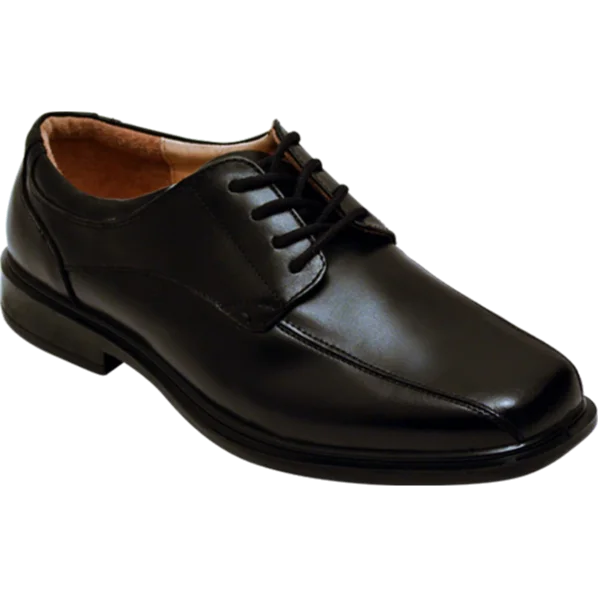
Every man needs at least one pair of quality dress shoes, but choosing the right style can feel overwhelming. With so many types of dress shoes available -- from the sleek oxford to the laid-back loafer -- understanding what sets each one apart is the key to building a versatile, well-rounded shoe collection. Whether you are dressing for a board meeting, a wedding, or a casual Friday at the office, the right pair of men's dress shoes can elevate your entire look.
At CSL Shoes, we carry all four major dress shoe styles: oxfords, derbys, monk straps, and loafers. In this comprehensive men's dress shoe guide, we break down each type in detail -- covering construction, formality, styling, and when to wear them -- so you can invest with confidence. By the end, you will know exactly which types of dress shoes belong in your rotation and why.
Let us get started.
Oxford Shoes: The Gold Standard of Men's Dress Shoes
The oxford is the most formal dress shoe a man can own. Recognized instantly by its clean, streamlined silhouette, the oxford has been the cornerstone of men's formal footwear for well over a century. If you are building a dress shoe collection from scratch, a black cap-toe oxford should be the first pair you buy.
What Defines an Oxford
The defining feature of the oxford is its closed lacing system. The eyelet tabs, called facings, are stitched underneath the vamp -- the piece of leather that covers the top of the foot. When you lace up an oxford, the facings pull together tightly, creating a sleek, V-shaped opening that sits flush against the tongue.
This closed construction gives the oxford its distinctively clean lines. There is no flap of leather sitting on top of the shoe -- everything tucks in neatly, producing a smooth, uninterrupted profile from toe to ankle.
Formality Level
Oxfords sit at the very top of the dress shoe hierarchy. A pair of black cap-toe oxfords is appropriate for black-tie events, formal weddings, funerals, and any occasion where a suit or tuxedo is expected. Brown oxfords are slightly less formal but still perfectly suited for business environments and daytime events.
The general rule: the simpler and darker the oxford, the more formal it is. A plain black cap-toe is the most formal; a brown wingtip oxford with broguing is the most casual end of the oxford spectrum.
Key Oxford Styles
- Cap-toe oxford: A horizontal seam across the toe creates a clean, minimal look. This is the quintessential formal shoe. Our Wizfort Cap Toe Oxford is an excellent example of this timeless style -- handcrafted with premium leather and a classic silhouette that works with everything from a navy business suit to a black tuxedo.
- Plain-toe oxford: No seams or decorations on the toe box, creating the sleekest possible silhouette. Exceptionally versatile for men who prefer a minimalist aesthetic.
- Wingtip oxford (full brogue): The toe cap extends along the sides of the shoe in a W-shape, usually with decorative perforations called broguing. More casual and expressive than cap-toe or plain-toe styles, the wingtip adds character without sacrificing refinement.
- Wholecut oxford: Made from a single piece of leather with no seams on the upper except at the heel. This is a true luxury statement piece that showcases the quality of the leather itself.
When to Wear Oxfords
Oxfords are your go-to for business formal, black-tie, weddings, and any event where you want to look sharp and polished. Pair them with a well-tailored suit, and always match your belt leather to your shoe leather -- black belt with black oxfords, brown belt with brown oxfords. This is one of the oldest rules in menswear, and it still holds. For a complete breakdown of shoe-and-suit color pairings, see our guide on how to match dress shoes with suits. For more pairing ideas, check out our guide on how to style dress shoes.
Pro tip: If you only own one pair of dress shoes, make them black cap-toe oxfords. They work with everything from a navy suit to a tuxedo, and they will never go out of style. Shop men's oxfords to find your perfect pair.
Derby Shoes: The Versatile Workhorse
The derby -- sometimes called a blucher in American English, though there are subtle construction differences between the two -- is the oxford's more relaxed cousin. It is one of the most versatile types of dress shoes you can own, bridging the gap between formal and casual with effortless ease. If the oxford is the dress shoe you wear to impress, the derby is the one you reach for when you want to look great without overthinking it.
What Defines a Derby
The derby features an open lacing system. Unlike the oxford, the eyelet facings are stitched on top of the vamp, creating flaps that sit over the shoe's tongue. When unlaced, these flaps open wide, giving the derby a more open, less structured appearance.
This construction difference may seem minor at first glance, but it has significant implications for both style and comfort. The open lacing creates a slightly more casual silhouette that reads as approachable and relaxed rather than stiff and formal.
Oxford vs Derby: The Most Common Confusion in Men's Dress Shoes
This is the most frequently asked question in men's footwear, so let us be perfectly clear: the only structural difference between an oxford and a derby is the lacing system. Oxfords have closed lacing, meaning the facings are stitched under the vamp. Derbys have open lacing, meaning the facings are stitched on top of the vamp.
Everything else -- leather quality, sole construction, broguing, toe shape -- can appear on either shoe. But that single distinction in lacing changes the shoe's character entirely. The oxford looks sharper and more refined. The derby looks more relaxed and approachable. Knowing this difference is fundamental to understanding men's dress shoe types and choosing the right pair for each occasion.
Why Derbys Are Often Better for Wider Feet
Because the facings sit on top of the vamp and can open wider, derbys naturally accommodate a broader range of foot shapes and sizes. If you have a high instep or wider feet, you may find that oxfords pinch uncomfortably across the top, while derbys provide a more forgiving, adjustable fit. Many experienced shoe fitters recommend derbys as a first dress shoe for men who find traditional oxfords too restrictive.
The open lacing also makes derbys easier to put on and take off, which is a practical advantage that should not be underestimated. If you are unsure about your fit, consult our size guide before ordering.
Formality Level and When to Wear
Derbys are less formal than oxfords but more formal than loafers. They occupy a comfortable middle ground that makes them ideal for a wide range of situations:
- Business casual offices: A brown or tan derby with chinos or wool trousers looks polished without being stuffy.
- Dinner dates and social events: A dark brown derby with dark jeans or flannel trousers strikes the right balance between dressed up and relaxed.
- Everyday smart wear: When you want to look put-together without appearing overdressed for the setting.
- Travel: Derbys pair with nearly everything in a travel wardrobe, making them an excellent choice for trips where luggage space is limited.
A black plain-toe derby can even work with a suit in most business environments -- just avoid wearing them to black-tie events, where oxfords are the expected and appropriate choice.
Pro tip: Suede derbys are a fantastic option for spring and summer. They bring texture and visual interest to lighter-weight outfits while remaining firmly in smart-casual territory. A pair in a warm brown or navy suede can transform a simple chino-and-shirt combination into something genuinely stylish.
Monk Strap Shoes: The Statement Maker
Monk strap shoes occupy a unique and distinguished space in men's footwear. They have no laces at all -- instead, they fasten with one or two leather straps and metal buckles. This distinctive closure makes them an immediate conversation piece and a favorite among men who want their shoes to do some of the talking. In the world of men's dress shoes types, monk straps are the ones that show you have thought carefully about your footwear choices.
Single vs Double Monk Strap
- Single monk strap: Features one wide strap across the vamp with a single buckle. The look is cleaner, more understated, and slightly more formal than its double-buckle counterpart. It carries a European sensibility that works particularly well with slim-cut suits and tailored trousers.
- Double monk strap: Features two thinner straps, each with its own buckle. This is the more popular of the two styles and carries a bolder, more fashion-forward aesthetic. The double monk strap has become a modern classic in menswear -- sophisticated enough for the boardroom, distinctive enough to stand out at any social gathering. It is the style that Italian and British tailoring enthusiasts tend to gravitate toward.
The Style Statement
What makes monk straps special is their ability to walk the line between traditional craftsmanship and contemporary fashion. They respect the conventions of men's dress shoes while introducing an element of personality that laces simply cannot provide. The buckle adds visual weight and a touch of hardware that naturally draws the eye downward -- which is exactly why fit, polish, and trouser break all matter even more with this style.
Monk straps pair exceptionally well with suits that have a slightly shorter trouser length, allowing the buckle detail to be visible. A cropped trouser with a double monk strap is one of the most stylish combinations in modern menswear.
Buckle Materials and Quality
Pay close attention to the buckle, because it is the focal point of the entire shoe. On quality monk straps, the buckles are made from solid brass or nickel with a satisfying weight and a smooth, reliable action. Cheaper shoes use thin, stamped metal that bends easily, tarnishes quickly, and detracts from the overall appearance.
Look for buckles with a brushed or matte finish for maximum versatility -- they complement both casual and formal outfits without drawing too much attention. A polished, high-shine buckle makes more of a statement and works best for evening events and occasions where you want to dress to impress.
When to Wear Monk Straps
Monk straps work beautifully in business environments and social settings, especially with:
- Tailored suits in navy, charcoal, or medium grey
- Slim or tapered trousers that show off the buckle detail
- Fashion-forward settings where individuality is appreciated and expected
- Smart-casual events where you want to step above the standard derby or loafer
They are less appropriate for very formal events -- black-tie still calls for oxfords -- and very casual settings where loafers or sneakers are more natural. Think of monk straps as the dress shoe for the man who already owns oxfords and derbys and wants something with more personality and visual interest.
Pro tip: Leave the top buckle on a double monk slightly loose for a relaxed, Continental look. This styling choice is common among Italian and British fashion circles and gives the shoe a casual confidence that looks intentional and effortless.
Loafers: Effortless Sophistication
The loafer is the most relaxed of the four major men's dress shoe types, but do not mistake relaxed for sloppy. A well-crafted leather loafer is a masterclass in understated elegance. It slips on without laces, straps, or buckles, making it the ultimate shoe for the man who values both style and convenience. The Wizfort Moc Toe Lace Up offers a hybrid take on this idea -- combining the comfort-forward silhouette of a loafer with the structured support of a lace-up design.
Types of Loafers
- Penny loafer: The original and most recognizable loafer style, featuring a leather strap across the vamp with a diamond-shaped cutout. The name comes from the mid-century tradition of students slipping a penny into the cutout for good luck. The penny loafer is clean, preppy, and endlessly versatile. Our Wizfort Traditional Loafer showcases this classic design with premium leather construction and a timeless silhouette.
- Tassel loafer: Features decorative leather tassels on the vamp. Slightly more ornate than the penny loafer, the tassel version is popular in Southern and Ivy League style traditions. It pairs exceptionally well with unstructured blazers, linen trousers, and warm-weather formalwear.
- Horsebit loafer: Originally designed by Gucci in the 1950s, this style features a metal bit -- a small chain or bar -- across the vamp. It is the most luxurious and fashion-conscious loafer style, favored by those with an eye for Italian elegance and designer heritage.
- Venetian loafer: The most minimal style of them all -- no straps, tassels, or hardware. Just a clean, unadorned slip-on with elegant lines. Modern, sleek, and understated.
Versatility from Casual to Smart Casual
Loafers are the chameleons of the dress shoe world. A pair of dark brown or burgundy leather loafers can work with an impressively wide range of outfits:
- Tailored shorts and a linen shirt for summer outings
- Chinos and a sport coat for business casual settings
- Lightweight wool trousers and a knit polo for travel
- Even a suit without a tie for relaxed business environments
The Wizfort Prestige Loafer is an excellent choice for men who want a loafer that transitions seamlessly from the office to after-work drinks, weekend brunches, and beyond. Its bicycle toe detail adds subtle visual interest without overcomplicating the design.
The Sockless Debate
Few topics in men's style generate as much passionate discussion as wearing loafers without socks. Here is the practical answer: it depends on the occasion, the climate, and personal comfort.
In warm weather, sockless loafers with rolled chinos or tailored shorts create a clean, Mediterranean-inspired look that is both stylish and comfortable. For office settings or cooler weather, wear them with no-show socks or thin dress socks in a complementary color that does not compete with the shoe or the trouser.
If you do go sockless, invest in no-show loafer socks -- they exist specifically for this purpose, and they are worth every cent. Going truly barefoot in leather shoes will cause odor buildup, accelerate interior lining deterioration, and create hygiene issues over time. For tips on keeping your shoes in great condition regardless of how you wear them, read our guide on caring for leather shoes.
Pro tip: Loafers are the best dress shoe for travel. They slip on and off easily at airport security, take up minimal suitcase space, pack flat, and pair with almost everything in a well-planned travel wardrobe.
How to Choose the Right Dress Shoe Style
With four distinct styles of men's dress shoes to choose from, how do you decide which ones deserve a place in your wardrobe? Here is a practical, occasion-based framework that takes the guesswork out of building your collection.
Match the Shoe to the Occasion
- Black-tie or formal wedding: Black cap-toe oxfords, full stop. No other style is appropriate for the most formal dress codes.
- Business formal: Oxfords in black or dark brown, or single monk straps for a touch of distinction.
- Business casual: Derbys, double monk straps, or dark leather loafers -- all three work well in offices with relaxed dress codes.
- Smart casual: Derbys in suede or leather, loafers, or monk straps in lighter tones like tan or cognac.
- Weekend and travel: Loafers or casual derbys in suede or textured leather.
When in doubt, always err on the side of formality. It is better to be the best-dressed person in the room than to feel underdressed and self-conscious.
Consider Your Body Type and Proportions
Your shoes should be proportional to your frame. Men with larger builds generally look better in shoes with a slightly rounder toe shape and a more substantial sole that balances their proportions. Leaner builds can pull off sleeker, more pointed silhouettes that emphasize a streamlined aesthetic.
Trouser width matters too. Slim trousers show more of the shoe, making style details -- buckles, broguing, welt stitching, toe shape -- more visible and more important. Wider trousers cover more of the shoe, shifting the emphasis to silhouette and toe shape rather than surface decoration.
Monk straps and detailed brogues add visual weight to the foot, which can effectively balance broader shoulders and a wider frame. Plain-toe oxfords and streamlined loafers create a leaner look from head to toe.
Start Versatile, Then Expand Your Collection
If you are building your dress shoe collection from the ground up, here is the order we recommend:
- First purchase: Black cap-toe oxfords -- covers all formal needs, from weddings to business presentations
- Second purchase: Brown derbys -- covers business casual, everyday smart wear, and most social events
- Third purchase: Dark brown or burgundy loafers -- adds versatility, ease, and warm-weather options
- Fourth purchase: Monk straps in tan or medium brown -- adds personality, visual interest, and a fashion-forward edge
This progression takes you from covering the bare essentials to expressing genuine personal style. Each addition fills a gap in your wardrobe and gives you more options without redundancy. For a more detailed walkthrough of building a complete shoe wardrobe, see our guide on how to build a 5-shoe dress shoe collection.
Materials and Construction: What Separates Good Shoes from Great Ones
The difference between a dress shoe that lasts two years and one that lasts twenty often comes down to materials and construction methods. Understanding these basics will help you make smarter investments and recognize quality when you see it.
Leather Quality
- Full-grain leather: The highest quality available. It uses the outermost layer of the hide, which is the strongest, most durable, and most naturally beautiful. Full-grain leather develops a rich patina over time that actually improves the shoe's appearance, and it can be polished to a mirror shine for formal events. This is what you want in any dress shoe you plan to keep for years.
- Top-grain leather: The surface has been lightly sanded to remove natural imperfections, creating a more uniform appearance. Still good quality and perfectly acceptable for dress shoes, but it will not develop the same depth of character or patina as full-grain leather over time.
- For a deeper dive into leather grades and how to identify them, read our guide on types of leather in shoes.
Genuine leather: Despite the reassuring name, this is actually one of the lower grades of leather. It is made from the inner layers of the hide and is thinner, weaker, and less visually appealing than full-grain or top-grain options. Avoid it in dress shoes whenever possible -- it will not hold up to regular wear or polishing.
Sole Types
- Leather soles: Traditional, elegant, and breathable. Leather soles allow the foot to flex naturally and develop a custom contour over time as the leather molds to your gait. However, they offer less traction on wet surfaces and wear faster on concrete and asphalt. Best suited for indoor environments, office settings, and occasions where you will not be walking extensively on rough surfaces.
- Rubber soles: More durable, better grip, and weather-resistant. We cover this topic in depth in our guide on leather sole vs rubber sole. Modern rubber soles can be thin and refined enough to look perfectly appropriate on dress shoes -- gone are the days when rubber soles meant clunky, utilitarian footwear. A practical choice for men who walk on city sidewalks daily or live in climates with frequent rain.
Construction Methods
- Goodyear welt: The gold standard of shoe construction. The upper is stitched to a welt strip, which is then stitched to the sole, creating a watertight seal and an incredibly durable bond. The key advantage: Goodyear welted shoes can be resoled multiple times, extending the shoe's useful life by decades. Look for this construction method in any shoe over the $200 price point -- it is a hallmark of quality.
- Blake stitch: The upper is stitched directly to the sole with no welt, creating a sleeker, more flexible profile with less bulk at the edge. Blake-stitched shoes are harder to resole but produce a closer-to-the-ground feel that many men prefer. This method is common in Italian-made shoes and favored for its elegant, slim appearance.
- Cemented (glued): The sole is bonded to the upper with industrial adhesive and no stitching. This is the least expensive construction method and also the least durable. Once the glue fails, the shoe is effectively finished -- it cannot be meaningfully repaired. Acceptable for budget-friendly shoes but should be avoided for investment purchases that you expect to wear for years.
For more on maintaining your investment and getting the most out of new shoes, our guide on breaking in new shoes covers everything you need to know about the first critical weeks with a new pair.
According to GQ's guide to men's dress shoes, investing in quality construction is the single most important decision you can make when buying dress shoes -- and we could not agree more. The right construction method ensures your shoes will look better with age rather than falling apart.
Finding Your Perfect Pair of Men's Dress Shoes
Understanding the differences between oxfords, derbys, monk straps, and loafers is the first step toward building a dress shoe collection that works for every occasion in your life. Each style has its place: the oxford for formality and tradition, the derby for versatility and comfort, the monk strap for personality and flair, and the loafer for ease and sophistication.
The best approach is to start with the essentials and build outward as your budget and lifestyle allow. A single pair of well-chosen, well-constructed dress shoes will serve you better than a closet full of cheap alternatives that wear out quickly and never develop the character that quality leather footwear is known for. Pay attention to leather quality, construction method, and fit -- these three factors determine whether your shoes will be a short-term purchase or a long-term investment that improves with every wear.
At CSL Shoes, we curate our collection with exactly this philosophy in mind. Every pair we carry is selected for quality materials, solid construction, and timeless design that transcends seasonal trends. Whether you are shopping for your first pair of oxfords, adding a statement monk strap to an established rotation, or looking for the perfect loafer to round out your wardrobe, you will find options that meet the standard you expect.
Ready to find your next pair? Browse our full collection and discover the perfect men's dress shoes for your style, your occasions, and your life.